News and Media

News

Best Practices Symposium in Houston

The Best Practices Symposium on NFs Management and High Performance organized in conjunction with the Pan-American Weightlifting Federation (PAWF) Congress was held in Houston, Texas on 21-24 February 2013. With the participation of 27 countries, the Symposium hosted by the PAWF, Houston Harrison County Sport Commission, USA Weightlifting and the United States Olympic Committee (USOC) was a great success. The floor was given to National Federations with the aim of providing a forum to share best practices. Besides valuable sessions and Panel discussions, the Symposium staged Group Work Discussions as well as case studies on Weightlifting Federations Development Programs. All participants made presentations and exchanged best practices experience in an extraordinary atmosphere of work and cooperation. One of the outcomes of the Symposium was to organize the First PAWF Continental Coaching Conference in Colorado Springs, Colorado on August 11-15, 2013. It was recommended that the Conference should follow a Best Practices and Case Study model sharing, and that each NF participating is expected to make a presentation. One of the most important projects will be the Long Term Athlete Development (LTAD) theory and practice. These gatherings are essential to the success of National Federations.

Arnold Weightlifting Championships to Host International Athletes, Pan American Championships for USAWL

The Arnold Sports Festival, held annually in Columbus since 1989, is the nation’s largest multi-sport event. More than 18,000 athletes will compete in 45 sports and events February 28-March 3, 2013. Weightlifting competitions will be staged on March 1-3. Two Trials Sessions, one each for men and women, of up to fifteen athletes from among the top twenty five ranked male and female weightlifters, based on results from the 2012 Junior National Championships through the 2012 American Open Championships, will compete for team membership ranking on the 2013 World and Pan American Championships later this year. This is the first ranking opportunity for the World Weightlifting Championships in Warsaw, Poland, in October, and the second for the Pan American Championships in Caracas, Venezuela, in June. The Qualification period for the World Championships extends to the National Championships scheduled for the end of July in Ohio, and for the Pan American Championships at the beginning of April in Tennessee. For more information visit Arnold Sports Festival or the official website of

How to Build Jumping Ability in Weightlifters

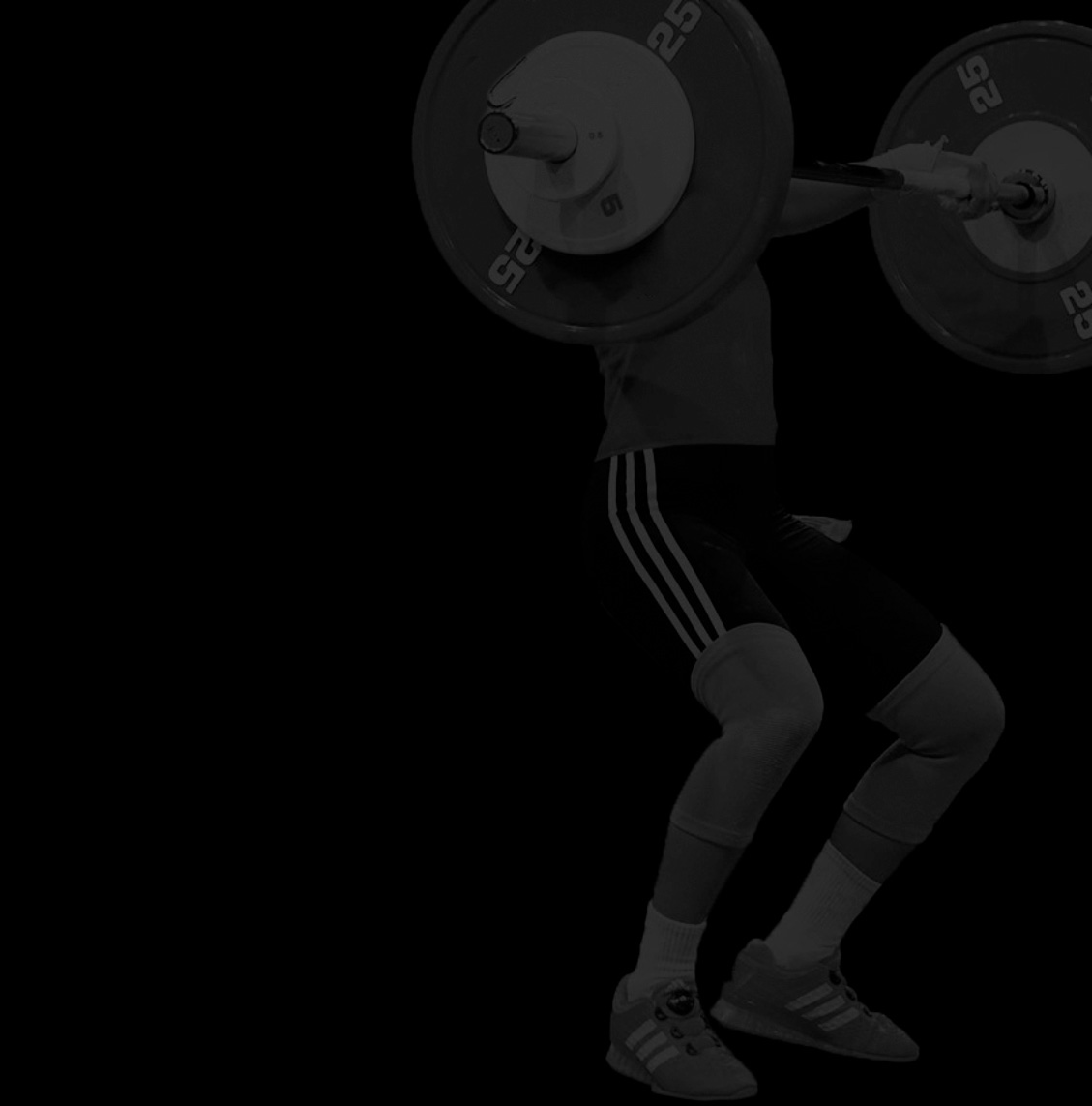
Weightlifters are legendary for their vertical jumping abilities, and that may be one of the factors that makes the snatch, clean, and jerk so attractive to strength and conditioning coaches anxious to develop “hops” in their athletes. Some observers, however, have noted that perhaps the lifts weren’t so much the cause of the jumping proficiency as they were symptoms of selected athletes who already had exceptional jumping skill. It appears both viewpoints are true. Most talented weightlifters are exceptional jumpers and performing the snatch and the clean and jerk properly enhances jumping ability. It is the movement pattern employed by the legs and hips in jumping that is also instrumental in developing great pulling power. Jumping ability is often a selection factor in the talent identification process for state sponsored weightlifting programs. It has been reported that weightlifters in elite programs are expected to be able to jump, with a countermove, up onto a platform set at nipple height. I’ve personally seen members of the USA weightlifting team jump up to a platform level with the athletes’ clavicles. This ability is partially due to great leg strength and also to a proper extension pattern of the legs and hips. Those aspiring to improve their weightlifting results need to improve jumping ability, and this is best done early in the athletic development. Jumping movements can be learned and practiced during pre-adolescence, and are of great value for the developing weightlifter. As long as they are not practiced excessively to the point of joint trauma, jumping movements are an extremely valuable component of early athletic development. Read more here Source: Breaking Muscle Written by Bob Takano Contributor - Olympic