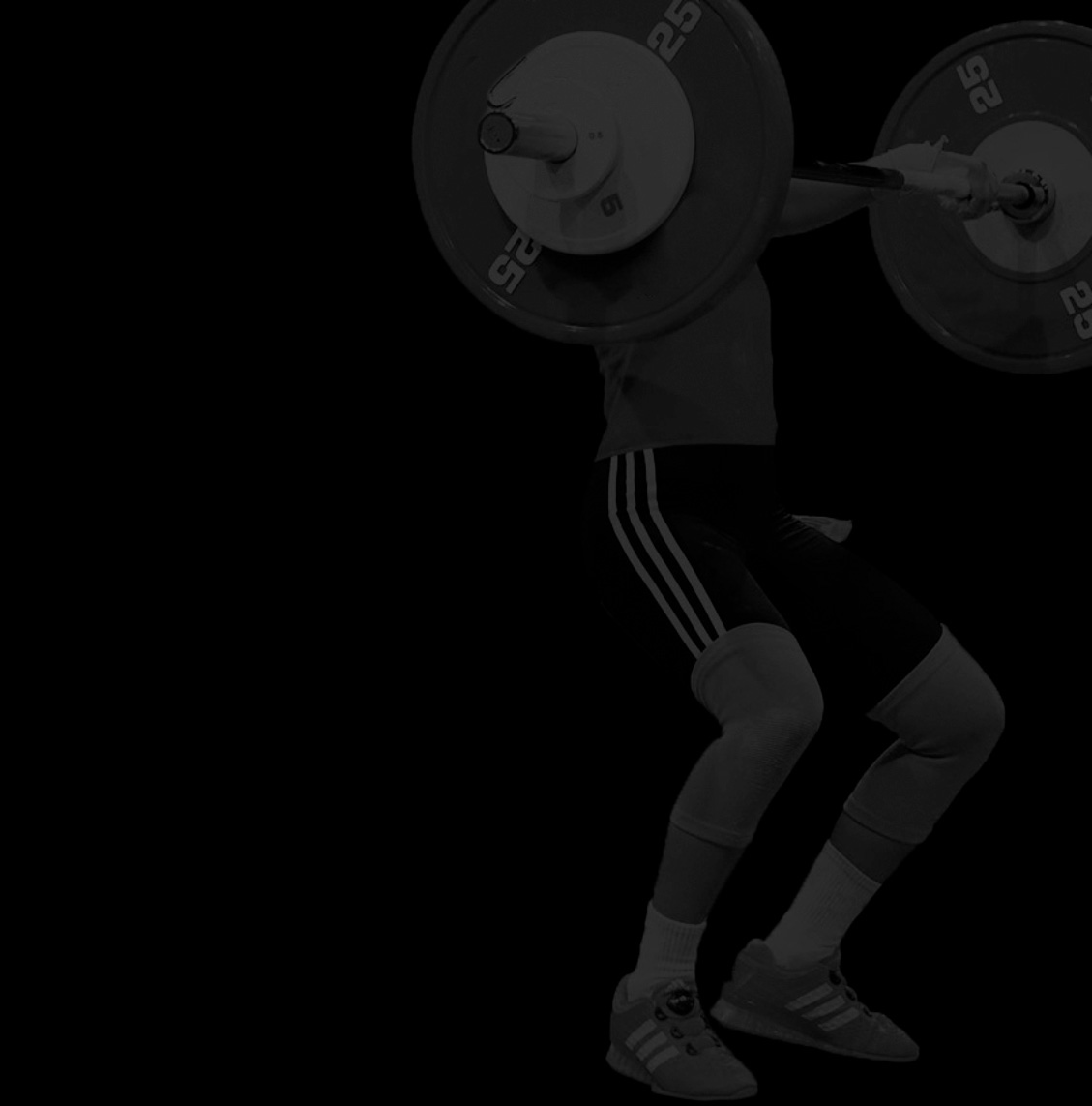





2017 Lifter of the Year Lasha Talakhadze – The Thoughtful Champion
A few books may not be the most likely items you’d expect to find in the backpack of a competitive weightlifter, but then Lasha Talakhadze is not your average weightlifter. The IWF Men’s 2017 Lifter of the Year is a thoughtful and quick-witted world champion, who has built up a cult following in his native Georgia with his articulate responses to interviewers and extraordinary performances in the competition arena. Last year, Talakhadze hit new heights in the +105kg division, and at only 24 years old, the terrifying prospect for his rivals is that he looks certain to keep on improving. Last December in Anaheim, Talakhadze capped an enthralling IWF World Championships with a world record-breaking snatch, adding 3kg to his previous competition best to lift 220kg. He also produced six good lifts in the clean and jerk to pick up a gold for his 257kg and set a new world record of 477kg for his total – a massive 23kg above his nearest challenger. Talakhadze’s career has been gaining irresistible momentum in recent years since he burst onto the senior weightlifting scene in the +105 category with an eye-catching 20th place in the 2011 IWF World Championships in Paris, at the age of just 18! Two years later, he got the taste for gold at the IWF World Junior Championships in Lima, and that soon translated into senior competition. His triumph in Anaheim was his second successive gold at the World Championships. Lasha has also won consecutive titles at the European Championships in Førde and Split in 2016 and 2017. At the 2016 Summer Olympic Games, he briefly set a new world record of 215kg in the snatch before being edged out by Behdad Salimi. However, a dominant performance in the clean and jerk helped him to set a new world and Olympic record total score of 473kg. Following in the footsteps of his father, who was also a talented weightlifter, Talakhadze is determined to set a new benchmark. No man has picked up more than two Olympic gold medals in the heaviest weight category – but he dreams of winning four super-heavyweight golds at the Games before he retires. However, with a focus on continuous improvement, Talakhadze’s winning character was illustrated when he became the first Olympic weightlifting champion to return to competition in an age-group event at the European Under-23 Weightlifting Championships in late 2016, where he duly won gold. Talakhadze enjoys reading and often takes books to sessions. Having graduated from high school in western Georgia and then continued his learning in a special college of physical education and sports. Here he majored in coaching skills, and he plans to continue his education in the future, ensuring he has options and interests outside the sport. His exploits at the Olympics established him as a celebrity in Georgia, where it is estimated that nearly half of the 4.7 million population tuned in to watch him step to the top of the podium. Back in his home town of Sachkhere, thousands of people gathered to watch the action on a big screen in the main square. Countless fans have attended his training sessions to see the great man in action. Talakhadze’s success has been credited with inspiring a sharp rise in entries in Georgia’s national championships and, as a proud representative of his country, he was named as the Georgian National Olympic Committee’s Sportsperson of the Year for 2017, having already been presented with the Order of Excellence by President Giorgi Margvelashvili. Having become the first Georgian to win the Lifter of the Year award since its launch in 1982, could 2018 be even better for Talakhadze? -- Follow IWF: Facebook Instagram Twitter