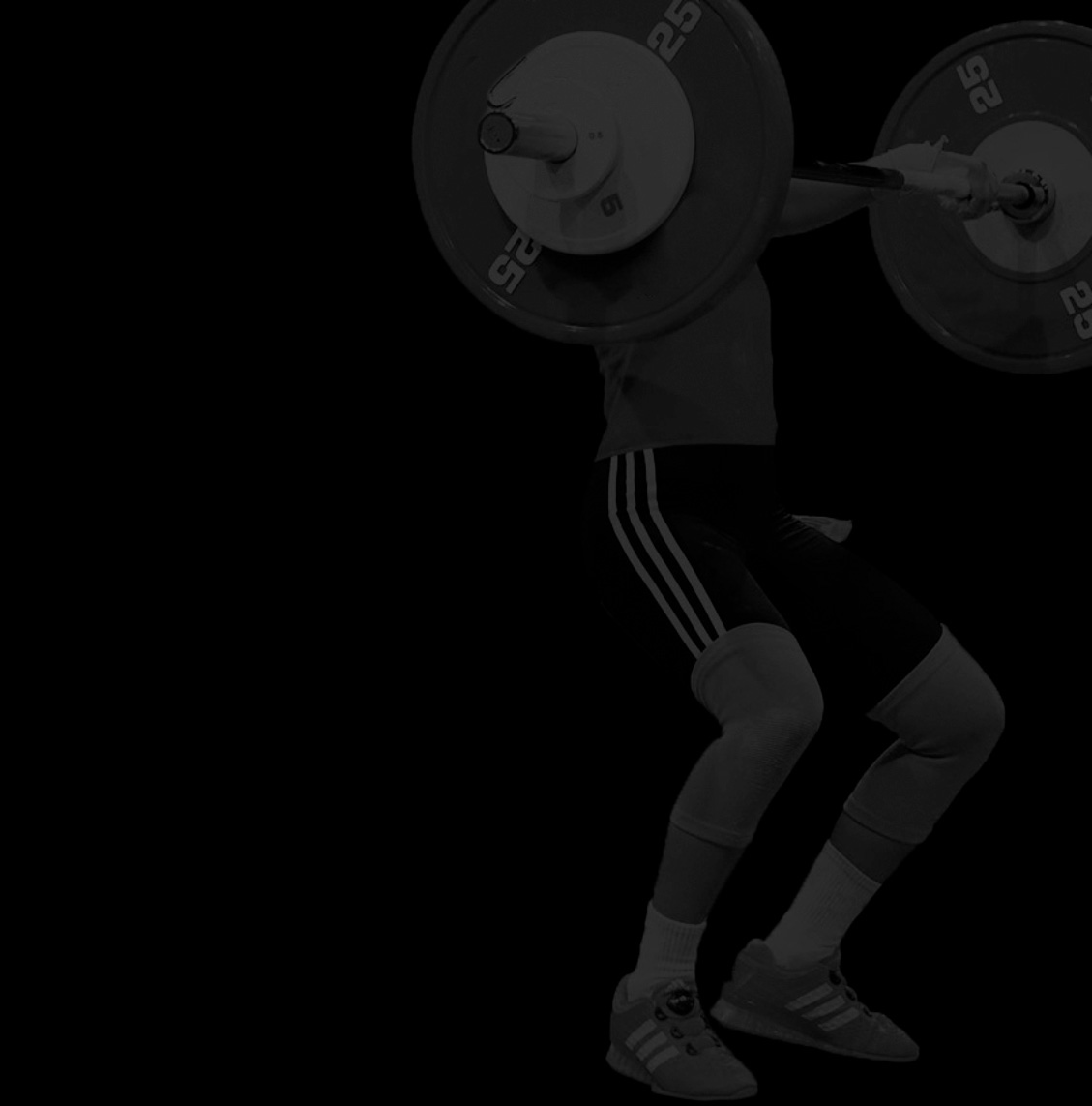
Exercises that Prepare You for the Olympic Lifts
Perfecting technique for the Olympic lifts - the Clean and Jerk and the Snatch - is the end goal of Olympic weightlifting. However, instead of constantly repeating the same two lifts in the gym, the world’s top athletes adopt specific training exercises to improve certain muscle groups that help them achieve these ultimate goals. At the heart of these preparations are exercises designed to strengthen the core and give the lifter the explosive power required to raise and hold heavy weights above their heads. [caption id="attachment_21482" align="aligncenter" width="475"] Front squat[/caption] THE CORE The core is crucial for two main reasons – it protects the spine when it is put under pressure, thereby mitigating the risk of injury. It also helps to efficiently transfer force from the legs to the upper body – important for the dynamic movement of Olympic lifts. To strengthen the core, anti-extension, anti-rotation and anti-lateral flexion work is essential. Anti-extension exercises involve resisting extension at the spine. An example of such an exercise is the ‘plank’, of which there are various degrees of difficulty. Anti-rotation exercises involve the rotation of your torso in a controlled manner, like with a ‘Pallof press’, in which you are resisting the cable’s attempt to rotate your body and building stability. Anti-lateral flexion exercises force you to brace your middle section to maintain an upright structure when you have a weight on one side of your body, encouraging you to bend to one side. ‘Deadbugs’ are an example of this sort of exercise. [caption id="attachment_21473" align="aligncenter" width="476"] The plank[/caption] BODYWEIGHT EXERCISES There are numerous bodyweight exercises that can provide a lifter with the core strength needed to perform Olympic lifts. Dips, for example, not only strengthen the triceps, but also help lifters to practice lockout and pressing movements. Pull-ups – and their many variations – strengthen the lats (widest back muscles). Bodyweight squats encourage mobility of the ankle, knee and hip – and the lifter can then progress to the rack, gradually increasing the weight used to squat with. Inverted rowing, meanwhile, helps to improve grip strength, as well as lower back and hip stability. Lots of professional lifters and coaches use plyometric exercises, like the box jump, for developing the explosive power required in weightlifting. [caption id="attachment_21479" align="aligncenter" width="475"] The overhead squat position[/caption] FOUNDATION EXERCISES Aside from the bodyweight exercises, there are also foundation – or progression – exercises with a barbell that can set up an athlete for the full snatch or clean and jerk, ensuring the body is suitable prepared for these complex lifts. For the clean and jerk, the ‘deadlift’ – or ‘clean pull’, which is an extension of the deadlift to pull the bar as high as possible – is a widely-used technique, while the ‘front squat’ builds on the benefits of a traditional squat by, among other things, perfecting the position of the elbows. The ‘push lift’ and ‘push jerk’ also isolate other parts of the lift and allows the lifter to separately perfect the techniques used in each phase. For the snatch, the ‘overhead squat’ is a one of the most testing progression exercises. This can be complemented with the ‘snatch balance’ – doing so will go a long way to perfecting your lifting posture. [caption id="attachment_21480" align="aligncenter" width="476"] Traditional back squat[/caption] VARIETY No athlete can simply pick up a barbell and perform a perfect snatch or clean and jerk. Every lifter will have certain strengths and relative weaknesses in their physique that will need attention in order to perform the most impressive lifts in weightlifting. To keep training interesting, many athletes will mix up their training routines and line up a variety of exercises. Exploring your gym and the training methods available to you will ensure you keep on improving. There are positive things to be taken from most exercises. Remember, if you’re new to the weight room, start slow and light. Don’t sacrifice technique for weight, a good lifter is first and foremost an injury-free lifter! -- Follow IWF: Facebook Instagram Twitter