





IWF120y/99 – 1924: Austria starts Olympic 12-year cycle of success
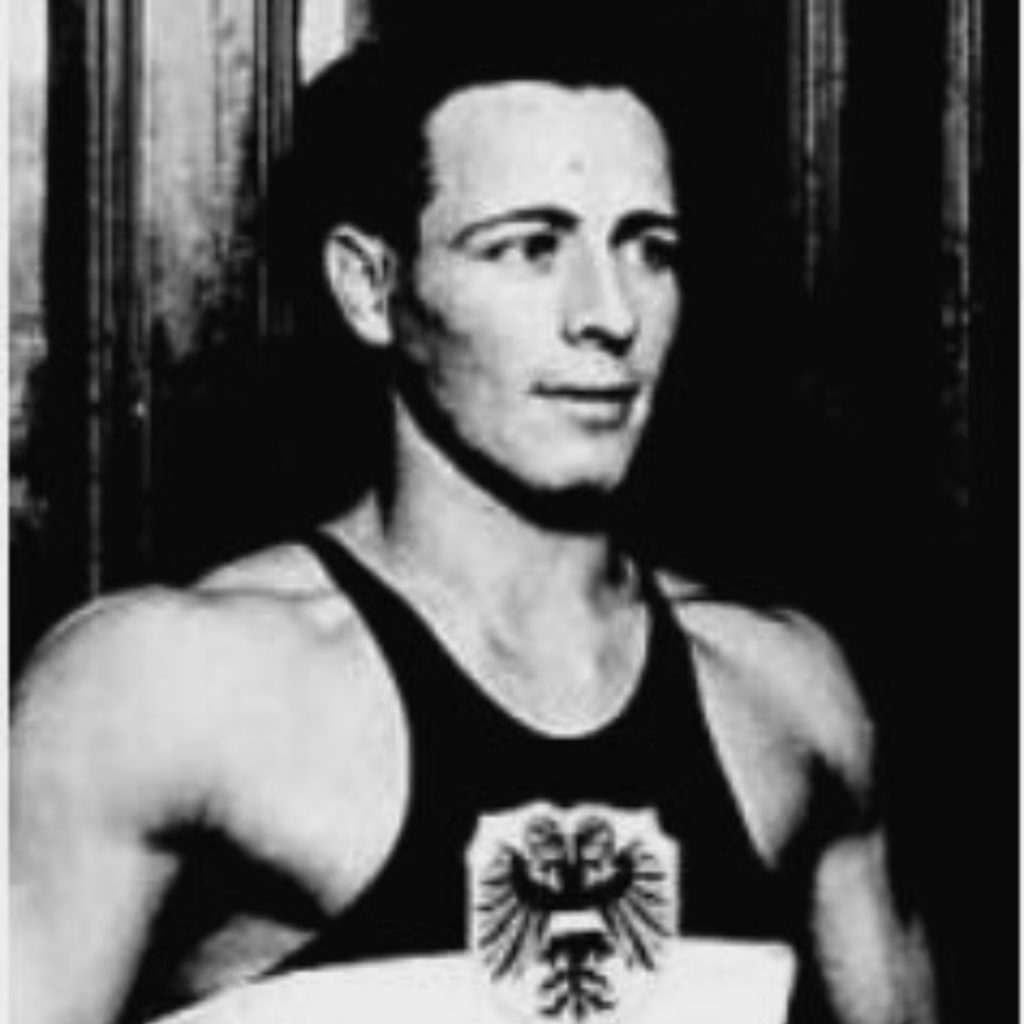
Despite intense discussions around the participation of Austria in the 1924 Olympic Games in Paris – the country had been one of the defeated belligerents during World War I and had been banned in the 1920 edition in Antwerp -, Austrian lifters were finally present in the French capital. And the least we can say is that their participation was quite successful, with four medals – three silver (Andreas Stadler, Anton Zwerina, and Franz Aigner) and a bronze (Leopold Friedrich). Four years later, in Amsterdam, the Austrian delegation clinched two victories, thanks to Franz Andrysek (60kg) and Hans Haas (67.5kg). In Los Angeles 1932, Haas will become the sole Austrian lifter with two Olympic medals until the present day, by adding a silver to his roll of honour. Karl Hipfinger (75kg) also got a bronze medal in California. In 1936, Berlin hosted the Olympics in a dangerous time for Europe, and Robert Fein (gold in the 67.5kg category) closed the Olympic medal count for Austria. With nine medals, weightlifting is the third most successful sport for the central European nation, after sailing and canoeing. Both Haas and Fein (photo) were Jewish: if the first one could complete his career without major problems, Fein’s story was completely different. After the victory in Berlin (he was one of the 13 Jewish athletes getting a medal there), he could still earn a silver at the 1937 World Championships in Paris, but with the instauration of anti-Semitic laws in Austria, he was barred from competing. Never again, after World War II, did Austria know such achievements from its athletes. On the administration level, things were different: curiously born in 1924, Gottfried Schödl was one of the most prominent IWF officials, entering the Executive Board in 1964 and being elected IWF President in 1972 (until 2000).