Weightlifting might reverse bone loss in men
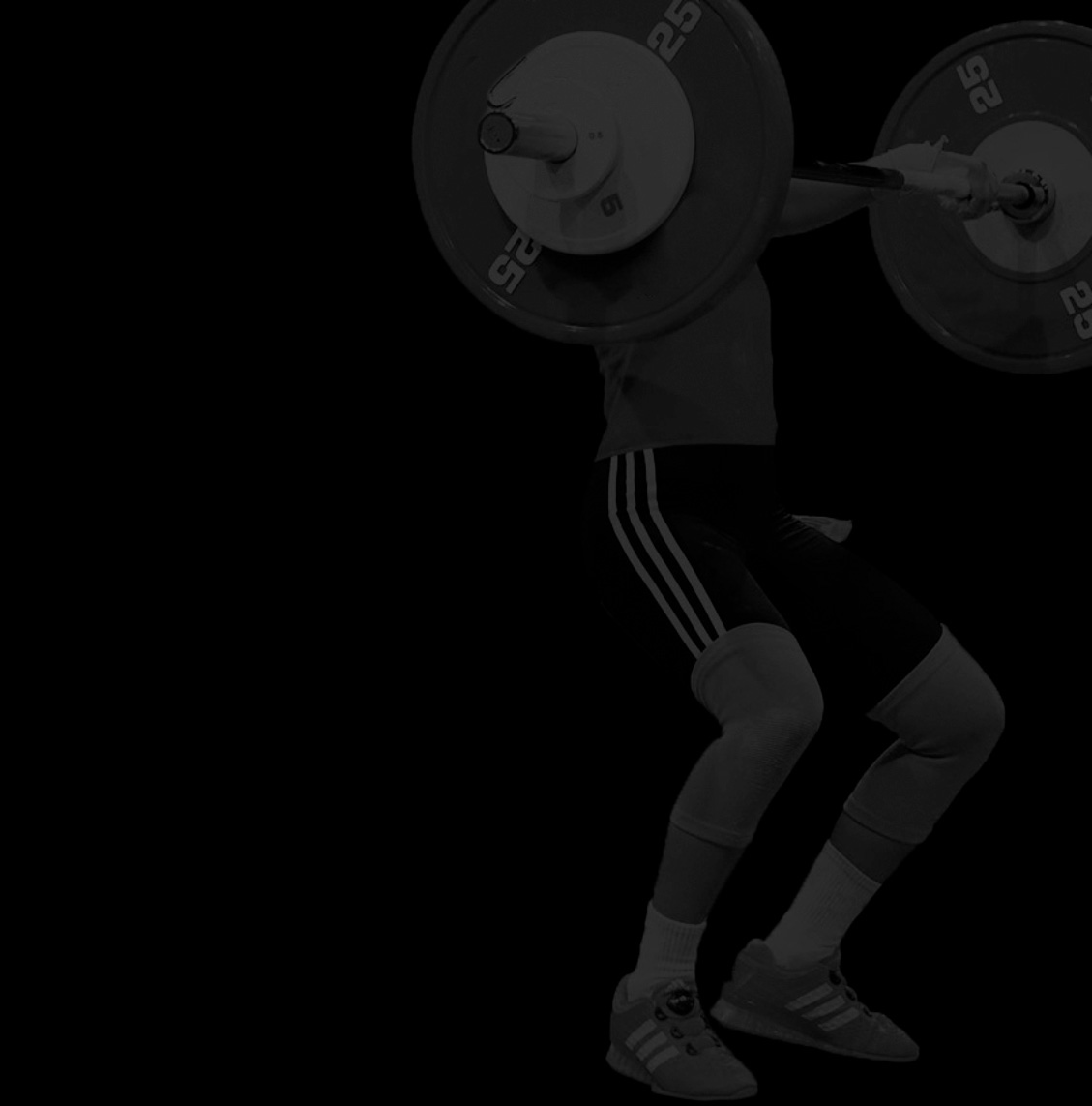
Nearly 2 million men in the United States have osteoporosis, a condition that makes bones weak and prone to breakage, and 16 million more have low bone mass. A new study suggests certain weight lifting exercises, like squats and deadlifts, might increase bone mass. “Weight-lifting programs exist to increase muscular strength, but less research has examined what happens to bones during these types of exercises,” says Pam Hinton, associate professor and the director of nutritional sciences graduate studies in the nutrition and exercise physiology department at University of Missouri. “Our study is the first to show that exercise-based interventions work to increase bone density in middle-aged men with low bone mass who are otherwise healthy. These exercises could be prescribed to reverse bone loss associated with aging.” SIGNIFICANT IMPROVEMENT For the new study, published in the journal Bone, researchers looked at 38 physically active, middle-aged men who completed either a weight-lifting program or a jumping program for a year. Both programs required participants to complete 60-120 minutes of targeted exercises each week. The participants took calcium and vitamin D supplements throughout their training programs. Bone mass was measured at the beginning of the study and again at six and 12 months using specialized X-ray scans of the whole body, hip, and lumbar spine. Bone mass of the whole body and lumbar spine significantly increased after six months of completing the weight-lifting or jumping programs, and this increase was maintained at 12 months. Hip-bone density only increased among those who completed the weight-lifting program. SQUATS, DEADLIFTS, AND LUNGES The study results do not indicate that all kinds of weight lifting will help improve bone mass; rather, targeted exercises made the training programs effective. “Only the bone experiencing the mechanical load is going to get stronger, so we specifically chose exercises that would load the hip and the spine, which is why we had participants do squats, deadlifts, lunges, and the overhead press,” Hinton says. “Also, the intensity of the loading needs to increase over time to build strength. Both of the training programs gradually increased in intensity, and our participants also had rest weeks. Bones need to rest to continue to maximize the response.” DECLINING PAIN AND FATIGUE Throughout their training programs, participants rated pain and fatigue after completing their exercises. The participants reported minimal pain and fatigue, and these ratings decreased over the year. Individuals who want to use similar training programs to improve bone density should consider their current activity levels and exercise preferences as well as time and equipment constraints. “Individuals don’t typically have to know they have heart disease, high blood pressure, or prediabetes to start exercising—they do it as prevention,” Hinton says. “Similarly, individuals don’t have to know they have osteoporosis to start lifting weights. “The interventions we studied are effective, safe, and take 60-120 minutes per week to complete, which is feasible for most people. Also, the exercises can be done at home and require minimal exercise equipment, which adds to the ease of implementing and continuing these interventions.” The National Institutes of Health and the University of Missouri Research Board funded the work. Source: University of